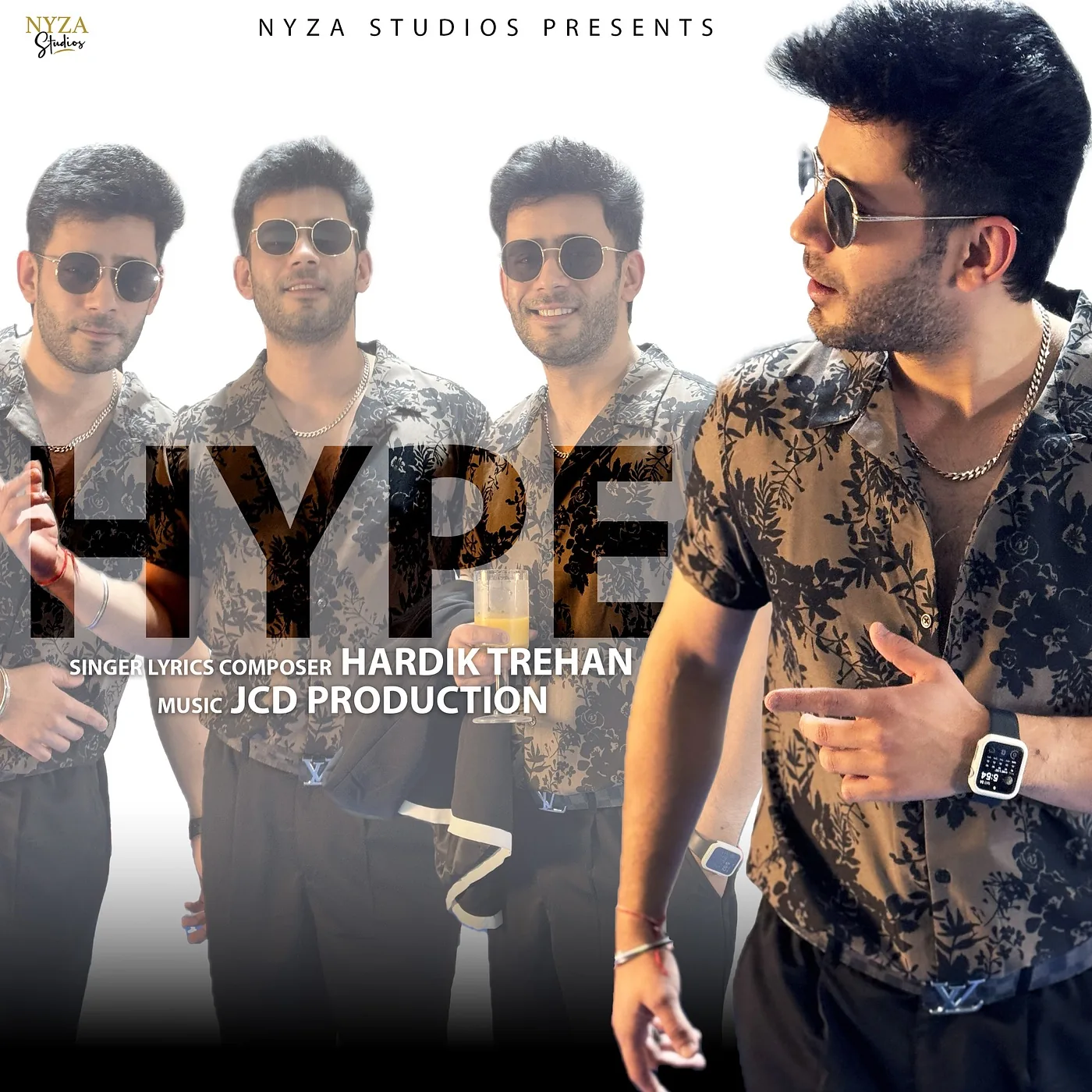
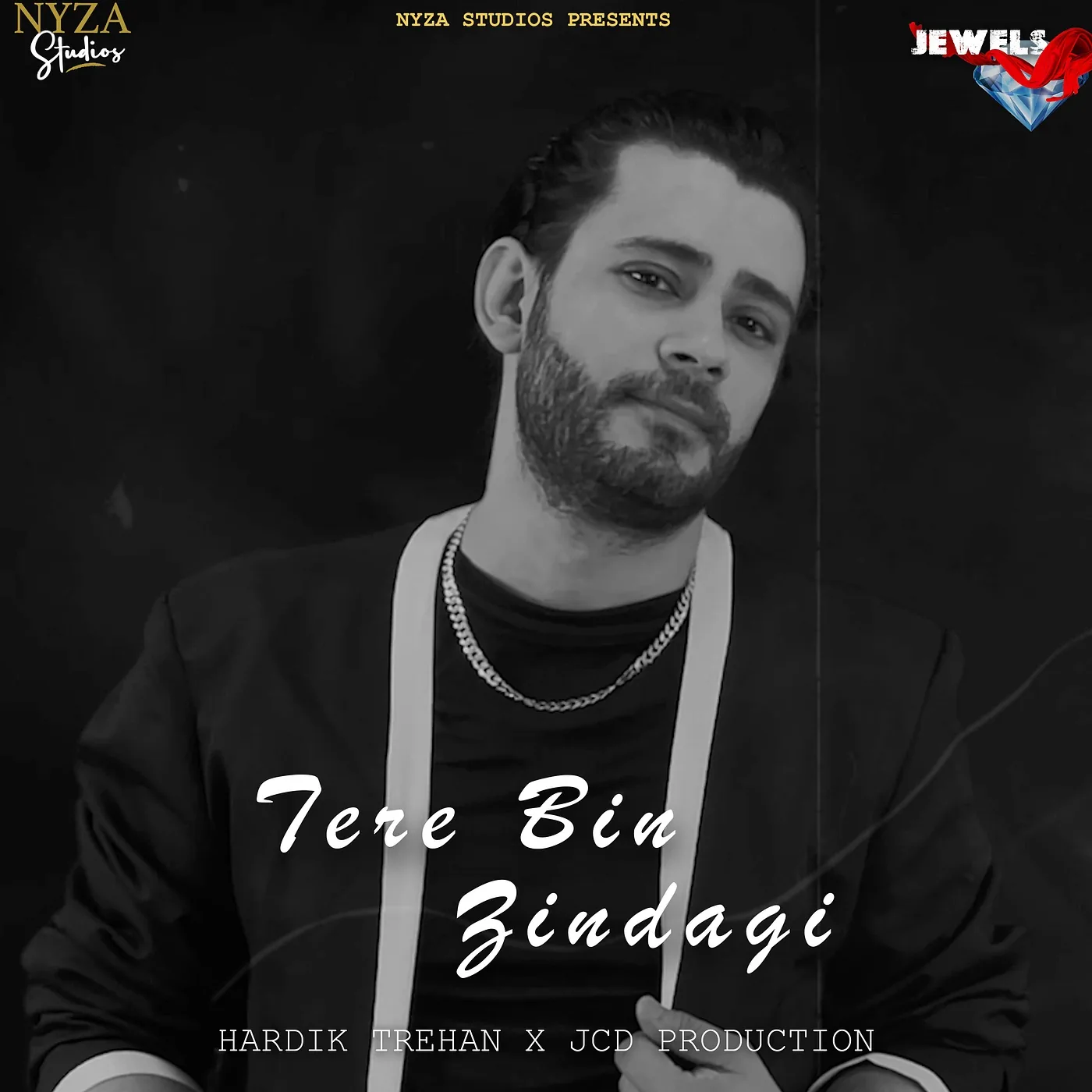
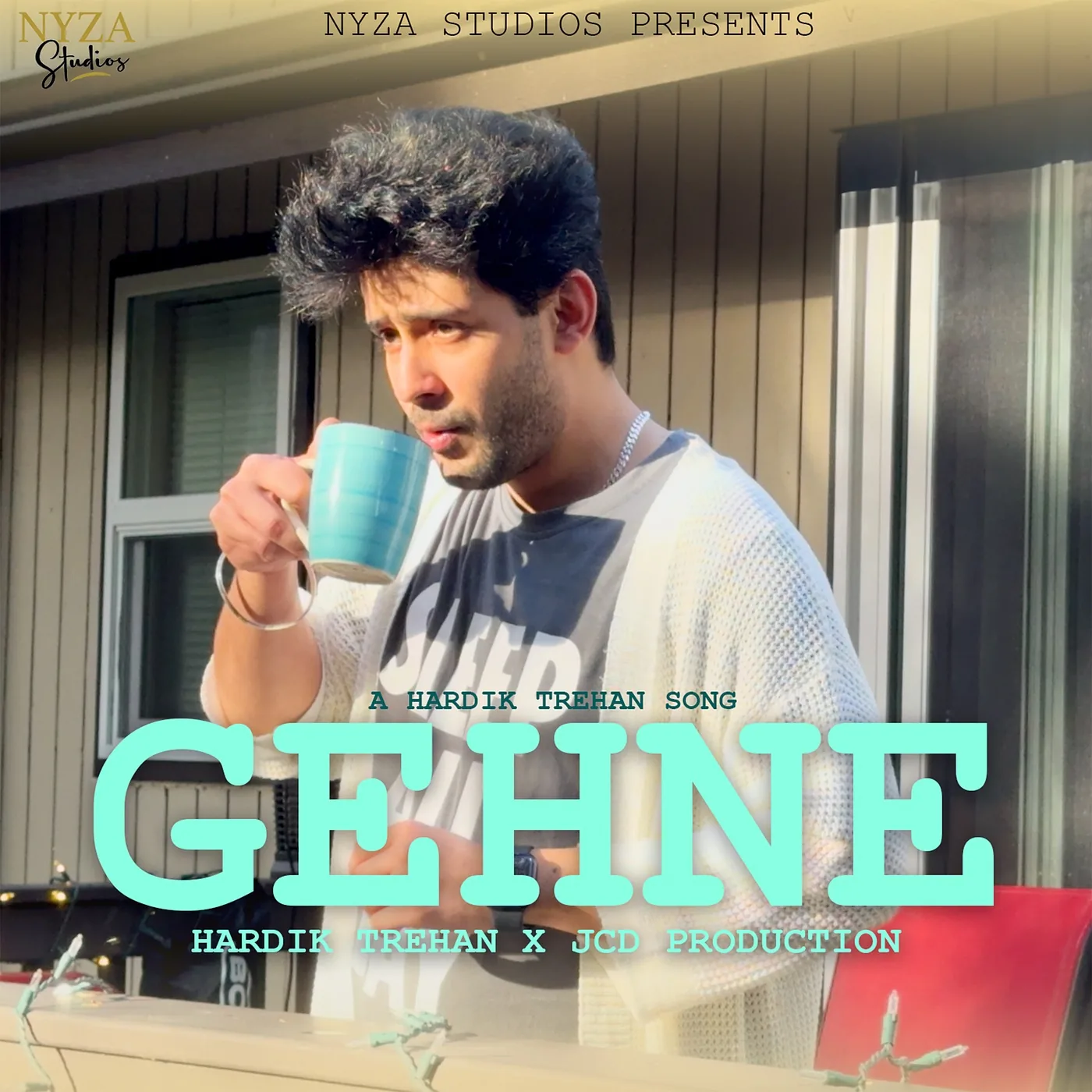
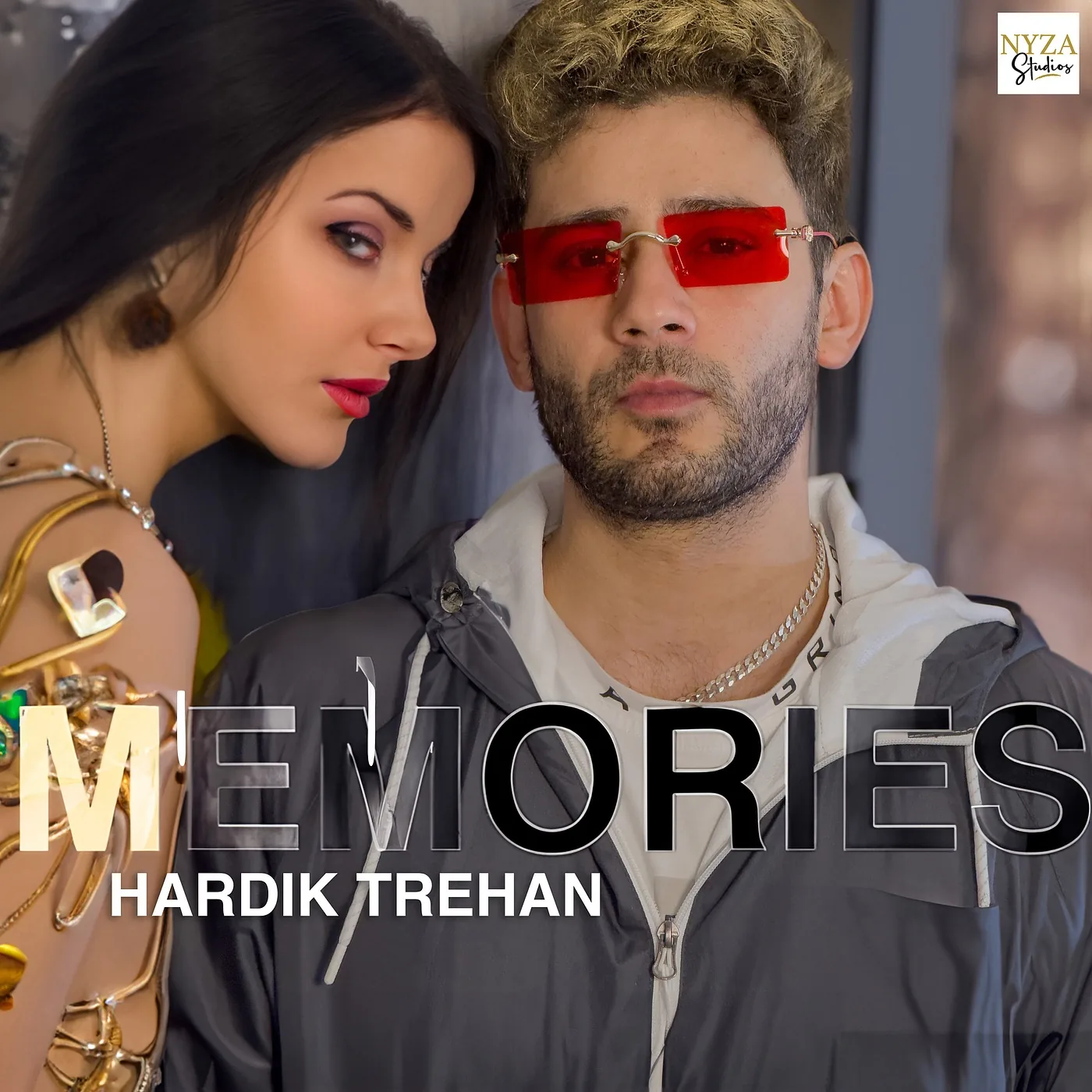
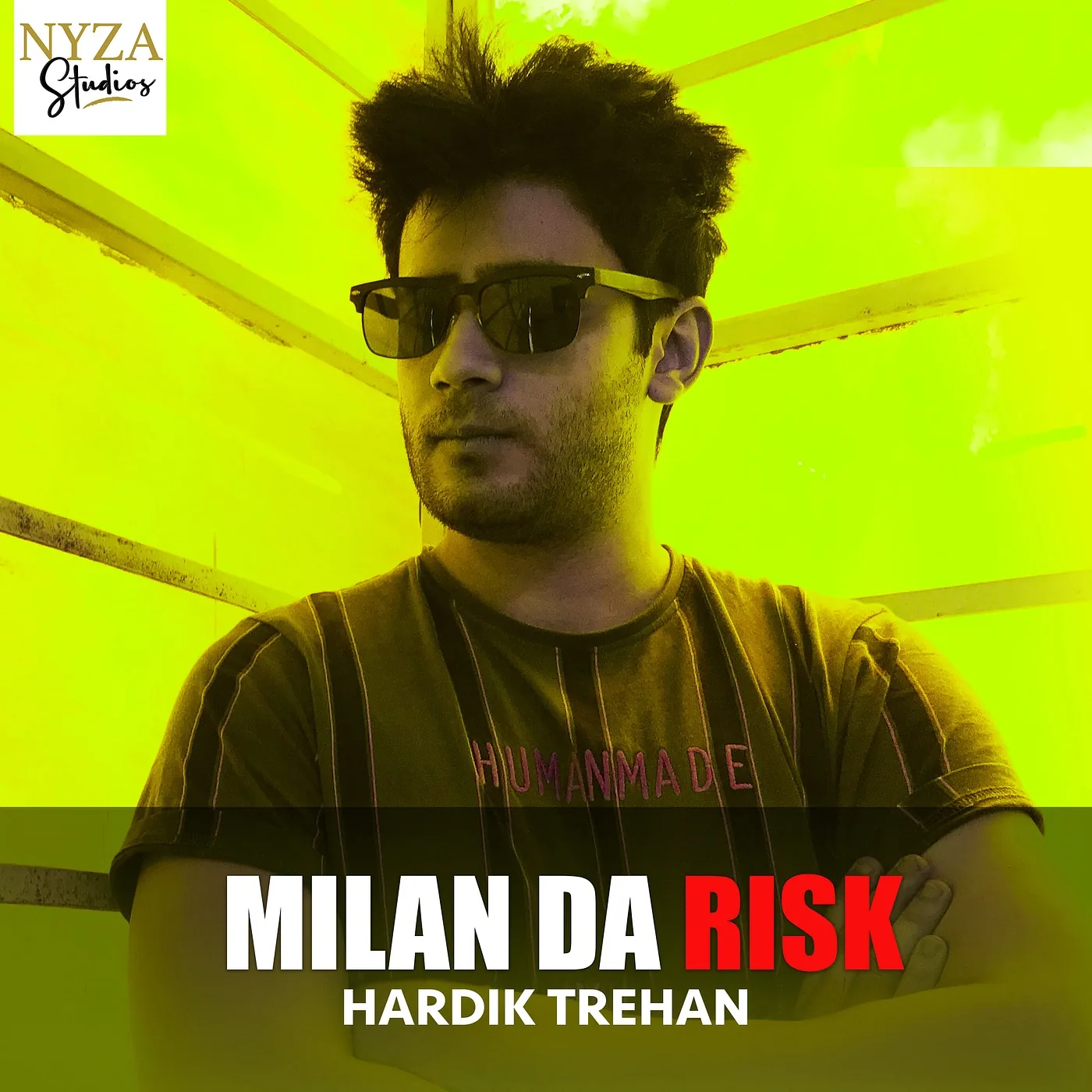
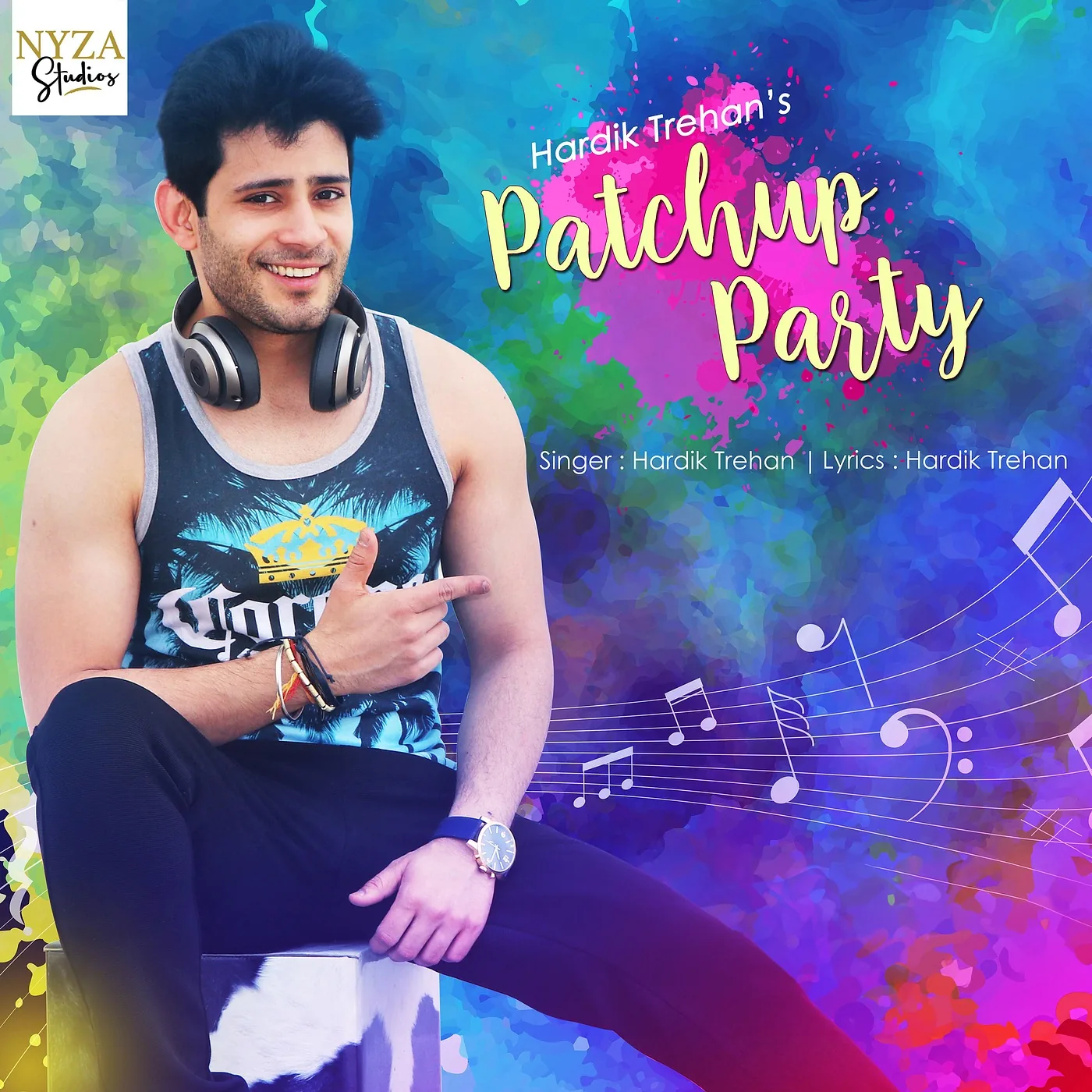
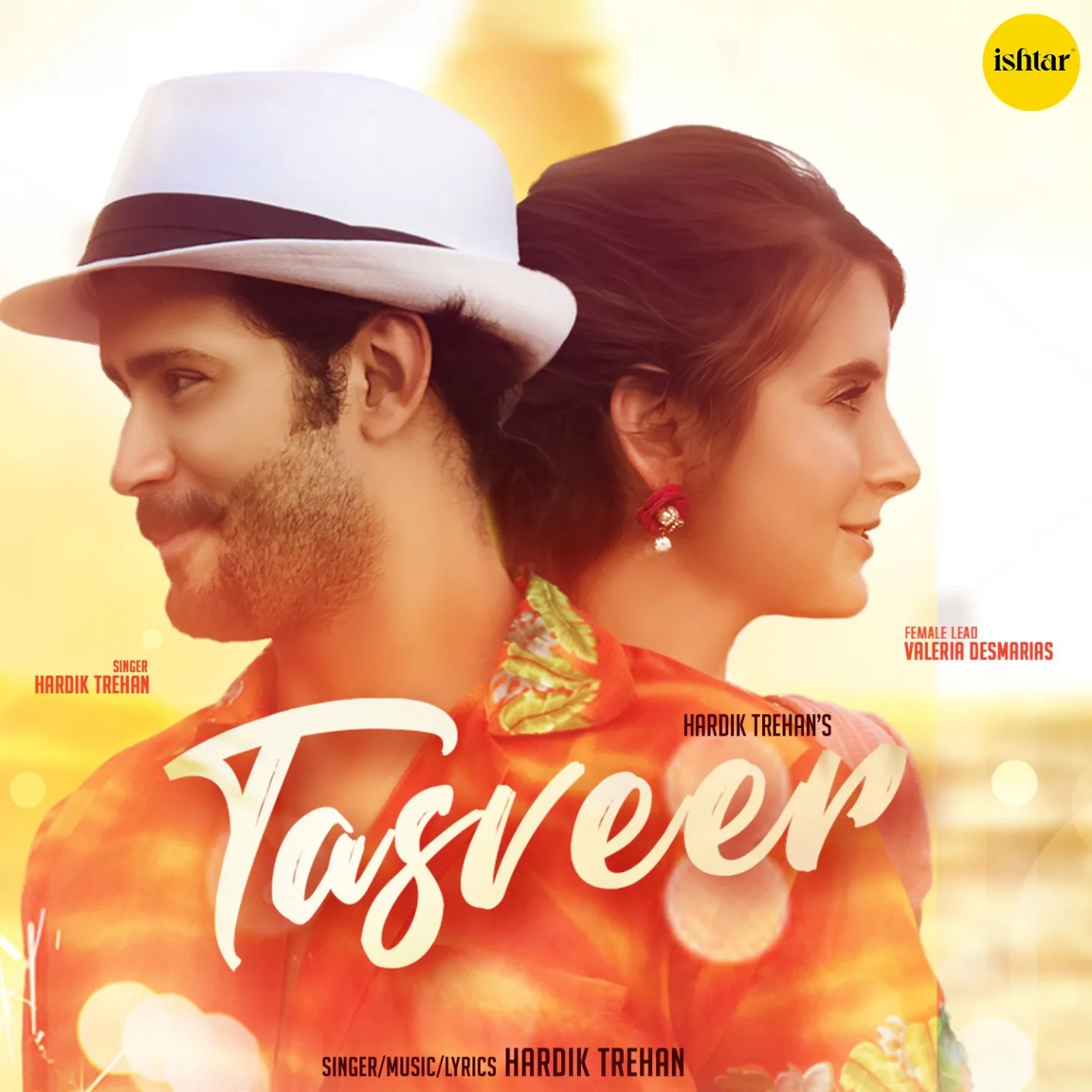
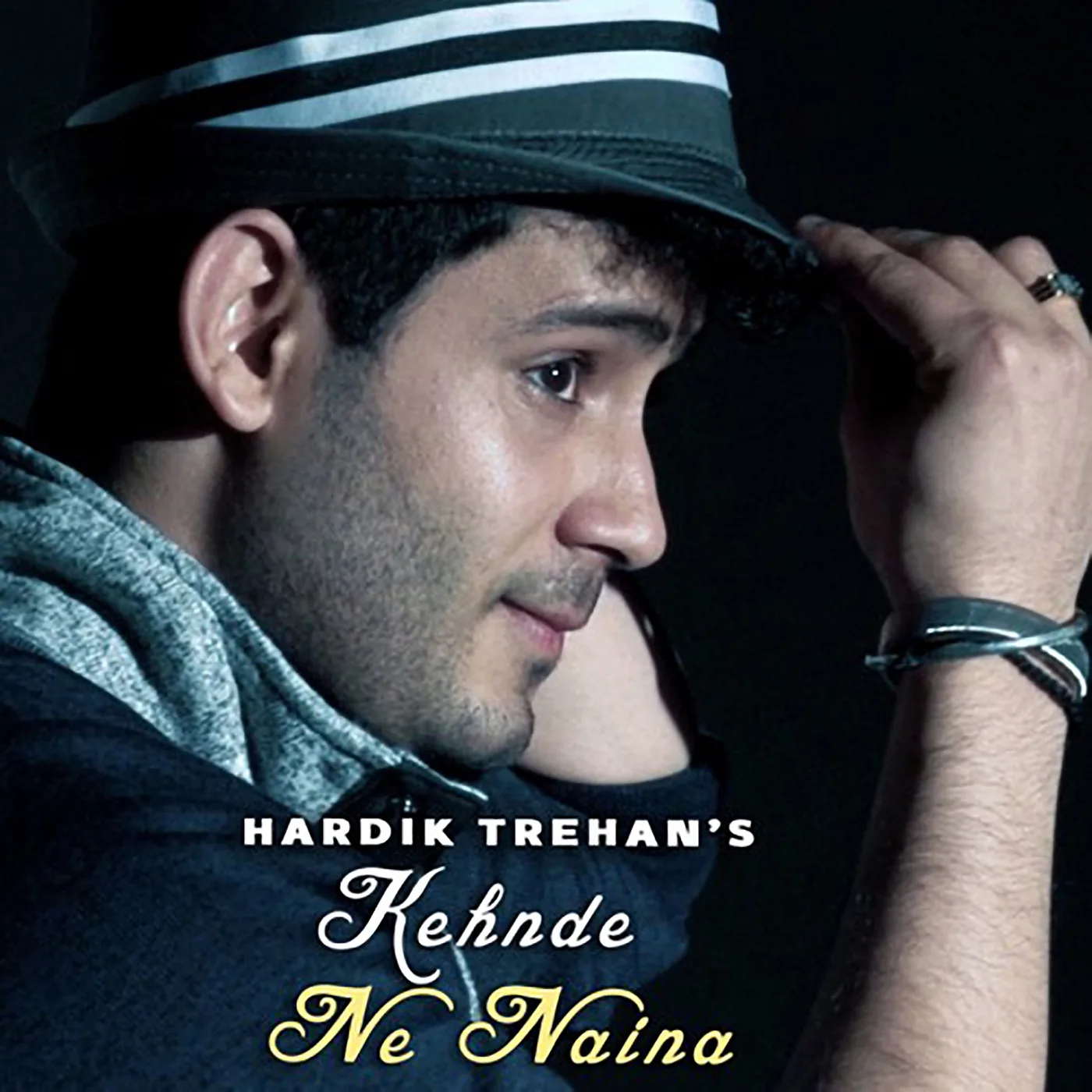




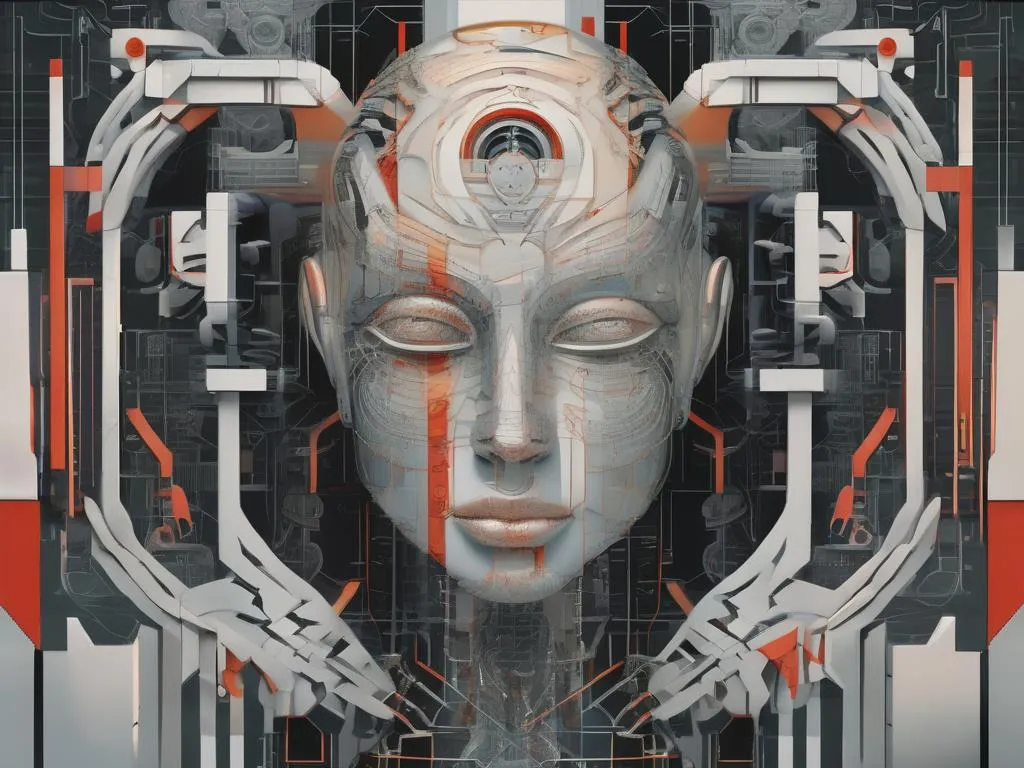
As I sit in my cozy studio here in Washington State, the early morning light filters through the window, casting a gentle glow over my favorite instruments. With a steaming cup of masala chai in hand, I find myself reflecting on the incredible journey from Artificial to Synthetic Intelligence in music. This transition isn't just a technological evolution; it's a deeply human one, blending the beat of the machine with the rhythm of the heart. Today, I want to explore this fascinating frontier and how it resonates with my Punjabi roots and career in the music industry.
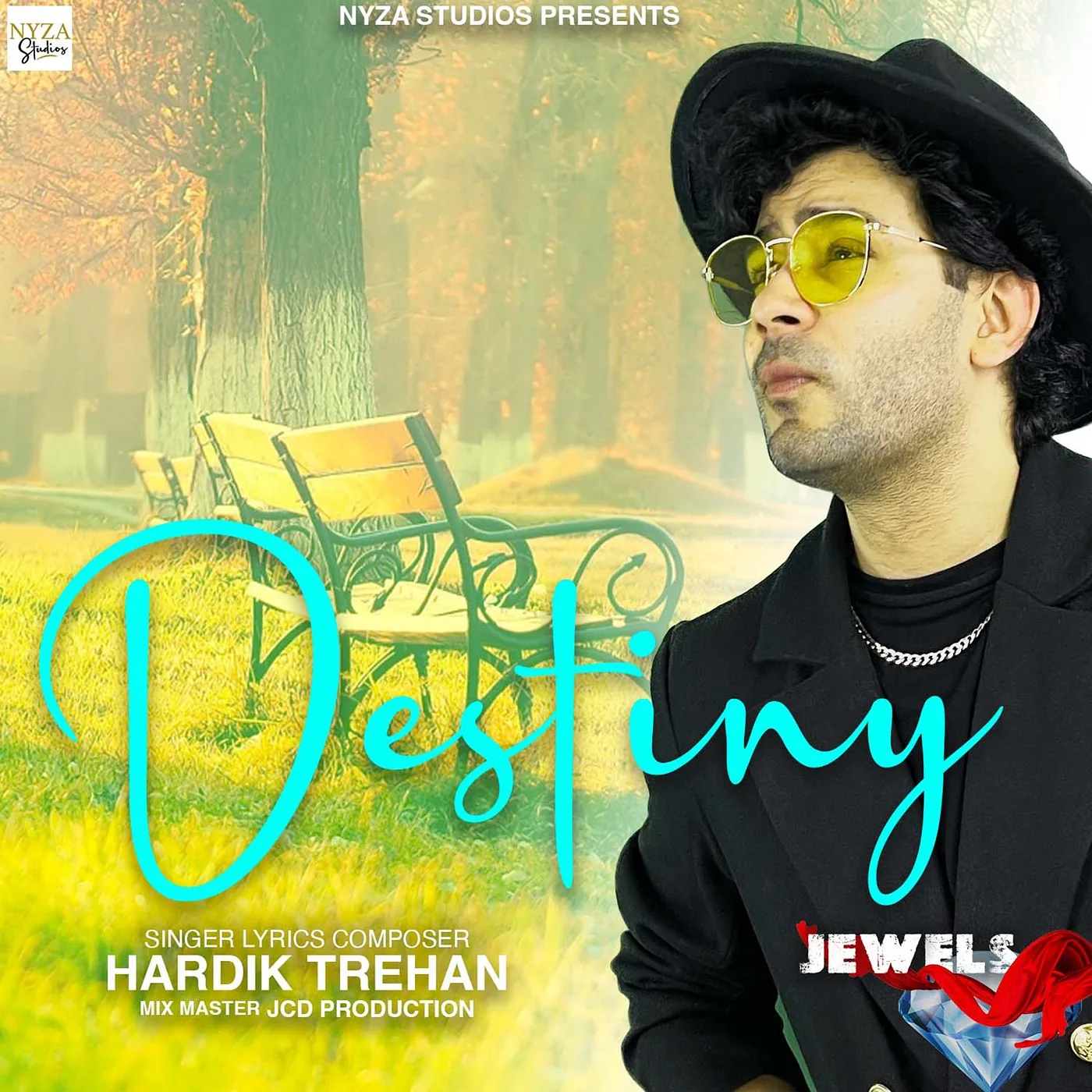
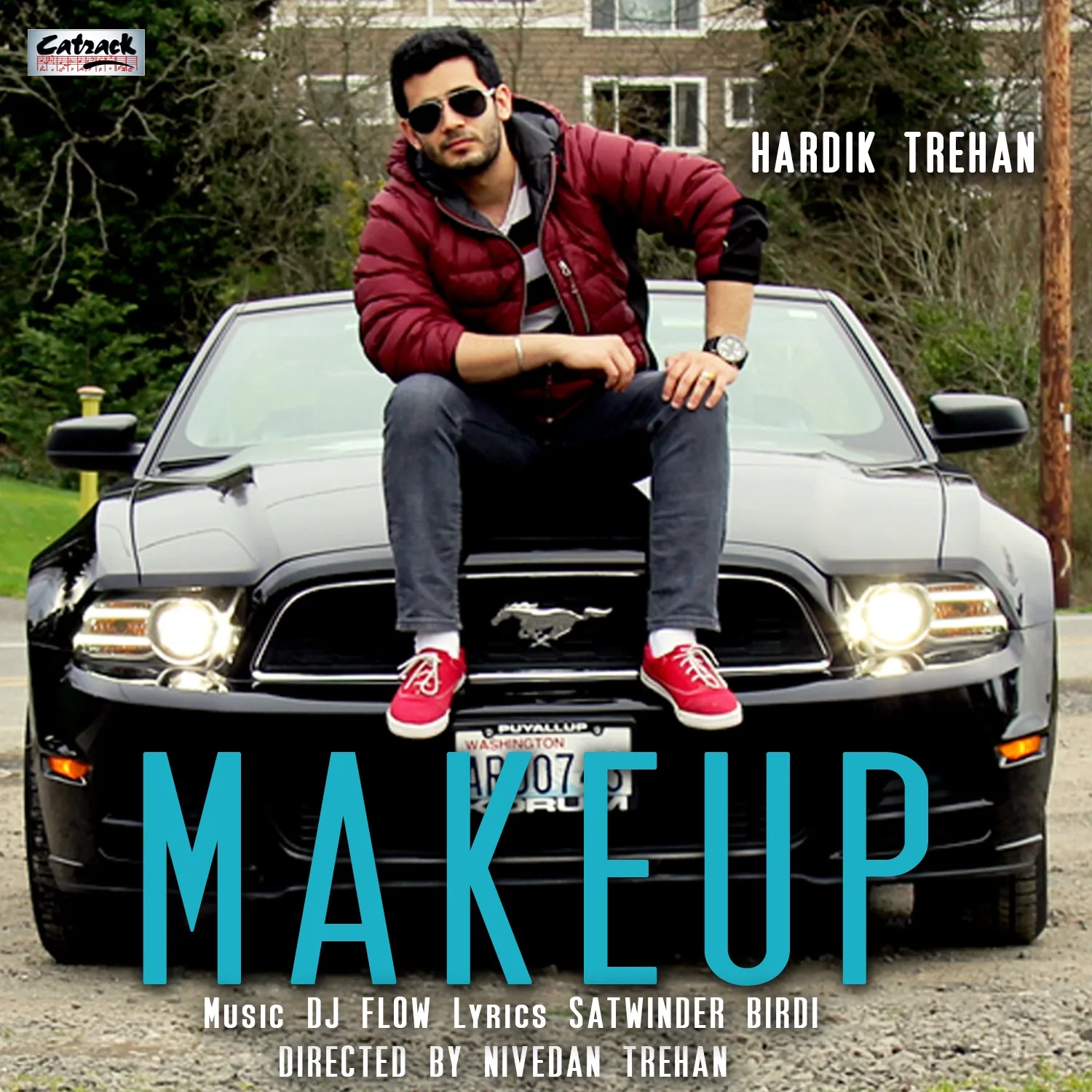
Looking back, I remember the first time technology truly amazed me in the studio. It was during the recording of my breakthrough track, 'MakeUp,' featuring DJ Flow. There was this moment when the digital sound seamlessly blended with the traditional beats, creating something new and exciting. It was like the electronic pulse of a city night mixing with the vibrant sounds of a bhangra gathering. That experience taught me the potential of fusing tradition with innovation.
In the past few years, AI has made significant leaps in the music industry. I still marvel at how AI tools can compose symphonies, generate lyrics, and even produce entire albums. The industry's evolution is evident, with AI in music projected to grow at a compound annual growth rate of 25% from 2021 to 2030, according to a 2022 report by MIDiA Research. But now, there's something even more exciting on the horizon—Synthetic Intelligence. SI aims not just to mimic human emotions but to resonate with them, creating music that is emotionally intelligent and culturally relevant.
This transition is incredibly exciting for me as a Punjabi pop artist. Punjabi music is inherently rhythmic and emotional, deeply tied to cultural expressions like bhangra and giddha. Imagine SI enhancing this storytelling by understanding and reflecting the emotions behind each dhol beat and tumbi strum. It's a beautiful prospect that respects the past while venturing boldly into the future.
Throughout my career, I've seen firsthand the power of blending traditional Punjabi elements with modern sounds. Technology should amplify human emotion, not overshadow it. I imagine SI allowing me to create music that surprises and delights while connecting deeply with listeners. It's about finding harmony between the technical precision of AI and the soulful expressions of human creativity.
My family , have always been supportive of my musical endeavors. They remind me of the importance of staying true to our roots. You know, the cultural grounding is essential as I navigate this ever-evolving music landscape. And the communities here in Washington state, rich with cultural diversity, have warmly embraced Punjabi music. Integrating SI could mean creating music that resonates globally while maintaining a strong cultural identity—something both my family and community deeply value.
Recently, the conversation around AI in music has intensified, with artists like Grimes and Taryn Southern experimenting with AI in their music. These pioneers show that SI can be a collaborative partner in the creative process rather than a replacement. Moreover, recent developments in intellectual property laws and artist rights are crucial for creators. As SI becomes more prevalent, artists must maintain ownership and control over their work. This balance between innovation and protection is an ongoing discussion in the industry.
Engaging with fans has always been a priority for me. I remember a concert in Seattle, where the energy was so palpable that I wished the music could adapt to the crowd in real-time. SI could make such interactive experiences possible, bridging the gap between artist and fan. Imagine a concert where the music evolves with the audience's emotions—a shared journey of sound and feeling.
Living in Washington state but being rooted in Chandigarh has given me a unique perspective on cross-cultural connections. Music is a universal language, and SI has the potential to break down even more barriers. By blending traditional Punjabi music with elements appreciated by Western audiences, we can create a fusion that celebrates diversity and fosters understanding. This journey from AI to SI is not about replacing human creativity but enhancing it, finding new ways to connect with audiences worldwide while staying true to our cultural heritage.
So, here's my question to you, dear reader: How do you see technology blending with tradition in your life? As we venture into this new era, let's embrace the possibilities together while cherishing the roots that ground us. It's an exciting time to be part of this musical revolution, and I can't wait to see where this journey takes us.