















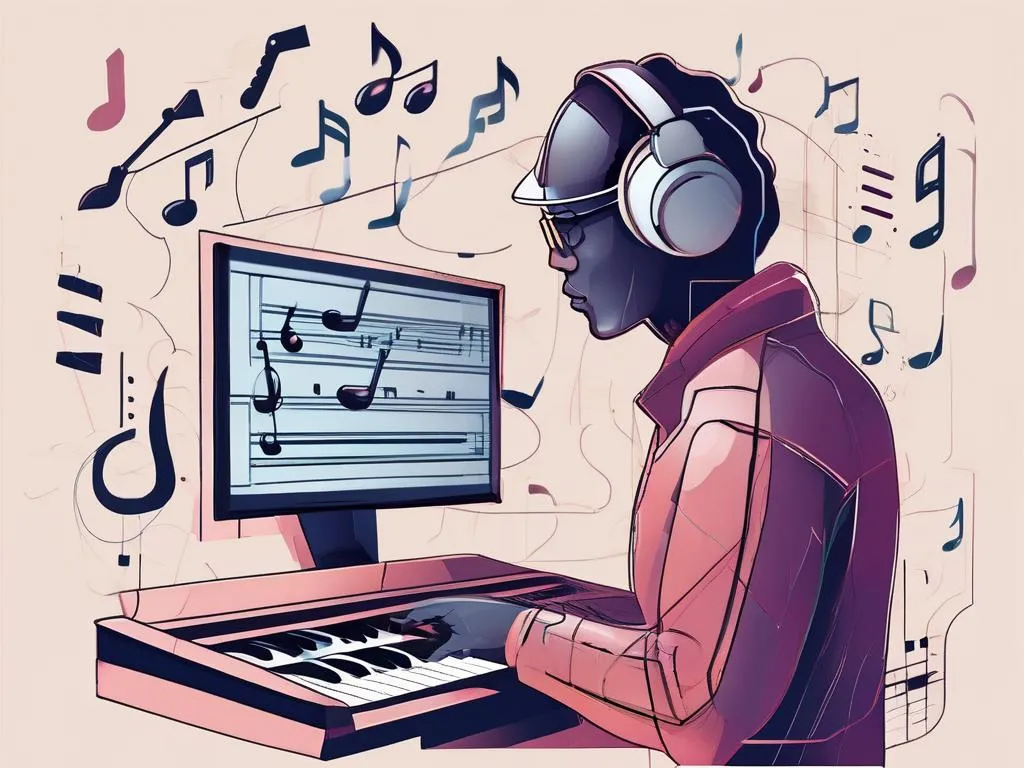
The music industry is experiencing a revolutionary transformation as artificial intelligence reshapes how we create, produce, and experience music. As an artist who has embraced AI technology through my AI Voice Studio, I've witnessed firsthand how these tools are democratizing music production while opening unprecedented creative possibilities.
In this comprehensive guide, I'll share everything you need to know about AI music production in 2025, from the essential tools that are changing the game to practical techniques that can elevate your creative process.
## The AI Music Production Revolution
Artificial intelligence has evolved from a futuristic concept to an essential toolkit for modern musicians. In 2025, AI music production tools have reached a level of sophistication that allows artists to:
- Generate original compositions in seconds
- Create realistic instrumental parts without traditional instruments
- Enhance vocal performances with intelligent processing
- Collaborate with AI to explore new sonic territories
## Essential AI Tools for Music Production
### Voice Generation and Enhancement
Through my work with the AI Voice Studio, I've discovered that voice AI technology has become incredibly sophisticated. Modern AI can:
- Generate backing vocals that complement your lead performance
- Create harmonies that would require multiple recording sessions
- Enhance vocal clarity and presence
- Generate entirely new vocal styles and timbres
### Composition and Arrangement
AI composition tools have revolutionized how we approach songwriting:
**Melody Generation**: AI can suggest melodic variations, generate counter-melodies, and create instrumental hooks that perfectly complement your musical vision.
**Chord Progressions**: Advanced AI analyzes thousands of songs to suggest chord progressions that match your desired mood and genre.
**Rhythm Patterns**: From traditional beats to experimental rhythms, AI can generate drum patterns that bring your music to life.
### Production and Mixing
The most exciting developments in AI music production focus on the technical aspects:
- **Intelligent EQ**: AI analyzes your mix and suggests frequency adjustments
- **Dynamic Processing**: Smart compression and limiting that adapts to your music
- **Spatial Audio**: AI-powered stereo imaging and surround sound processing
## Practical Techniques for AI Music Production
### Starting Your AI-Enhanced Workflow
1. **Begin with Human Creativity**: Always start with your own musical ideas. AI should enhance, not replace, your creative vision.
2. **Layer AI Elements Gradually**: Introduce AI-generated elements one at a time to maintain control over your sound.
3. **Experiment with Hybrid Approaches**: Combine traditional instruments with AI-generated parts for unique textures.
### Advanced AI Production Techniques
**Style Transfer**: Use AI to apply the characteristics of one genre to another, creating unique fusion sounds.
**Intelligent Sampling**: AI can analyze your favorite tracks and suggest similar sounds or create variations.
**Real-time Processing**: Modern AI tools can process audio in real-time during performance or recording.
## The Future of AI in Music
As we look toward the future, several trends are shaping the evolution of AI music production:
### Personalized Music Creation
AI is becoming increasingly capable of creating music tailored to individual preferences, opening new possibilities for:
- Custom background music for content creators
- Personalized listening experiences
- Interactive music that responds to user input
### Collaborative AI
Future AI tools will function more like creative partners, understanding context and artistic intent to provide more meaningful suggestions.
### Accessibility and Democratization
AI is making music production accessible to creators who may not have traditional musical training, democratizing the creative process.
## Balancing AI and Human Creativity
While AI offers incredible capabilities, the human element remains essential:
- **Emotional Connection**: Human experiences and emotions drive meaningful music
- **Cultural Context**: Artists bring cultural understanding and authenticity
- **Creative Vision**: AI executes ideas, but humans provide the vision and direction
## Getting Started with AI Music Production
If you're ready to explore AI music production:
1. **Start Simple**: Begin with basic AI tools for chord progression or rhythm generation
2. **Learn Gradually**: Take time to understand how each AI tool affects your creative process
3. **Maintain Your Style**: Use AI to enhance your unique voice, not replace it
4. **Experiment Freely**: The best discoveries come from experimentation
## Conclusion
AI music production in 2025 represents an exciting frontier where technology amplifies human creativity rather than replacing it. Through my experience with AI voice technology and music production, I've learned that the most powerful approach combines the analytical capabilities of AI with the emotional depth and cultural understanding that only humans can provide.
Whether you're a seasoned producer or just starting your musical journey, AI tools can help you explore new creative territories and realize your artistic vision more effectively than ever before.
The future of music is collaborative – between humans and AI, tradition and innovation, individual creativity and technological possibility. Embrace these tools, but remember that your unique perspective and creative vision are what will make your music truly special.